
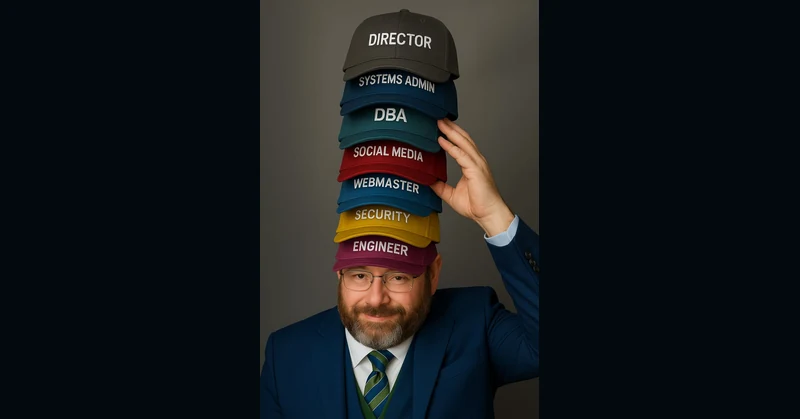
In technology, we often focus on how efficient we can make our systems. We trim down processes, automate wherever possible, and streamline until we feel like everything is running at maximum performance. The problem is that efficiency on its own is fragile. If one link in the chain breaks, the whole system grinds to a halt. Resilience is about designing systems and teams that bend but do not break. It is not just an infrastructure concern, it is a leadership concern.
When we talk about redundancy, failover, and flexibility, the conversation usually starts with servers and services. We build in hot sites, load balancing, backup internet providers, and clustered environments so our technology can survive a failure. What we do not always admit is that our teams need the same level of resilience planning. People are just as critical to operations as the systems they manage.
One of the most common traps I see is compartmentalization. A highly skilled employee becomes the sole authority on a system or process. They manage it, they know every detail, and they perform it well. But when that person goes on PTO or is unavailable for a week, progress stops. Tickets wait, projects stall, and sometimes even urgent requests sit untouched until their return. Ironically, this short-term absence can be more disruptive than if that person left the organization permanently. When someone resigns, leaders know they must immediately delegate responsibilities and ensure others can cover the gap. When someone is temporarily away, we often accept waiting until they come back.
This is where the difference between succession planning and resilience becomes clear. Succession planning prepares the organization for permanent change. It is about training the next person to step into a role if the current person moves on. Resilience, on the other hand, prepares us for temporary absence. It is about making sure critical knowledge is shared, processes are documented, and coverage is in place so that work continues uninterrupted. Both are essential, but resilience is often overlooked until the moment we realize how much was resting on one set of shoulders.
As IT leaders, we need to ask ourselves hard questions. Are we designing our teams with the same mindset we use for our systems? Do we have the equivalent of failover when one person is unavailable? Are we flexible enough to reassign or cross-train so that progress does not stall? Resilience is not about making people replaceable. It is about making the team sustainable. When employees know they can take time off without everything piling up for their return, we build trust, reduce burnout, and strengthen the entire organization.
How do you balance efficiency with the need for flexibility? And when was the last time you tested whether your team could keep moving forward if a key player was unavailable for a week?