
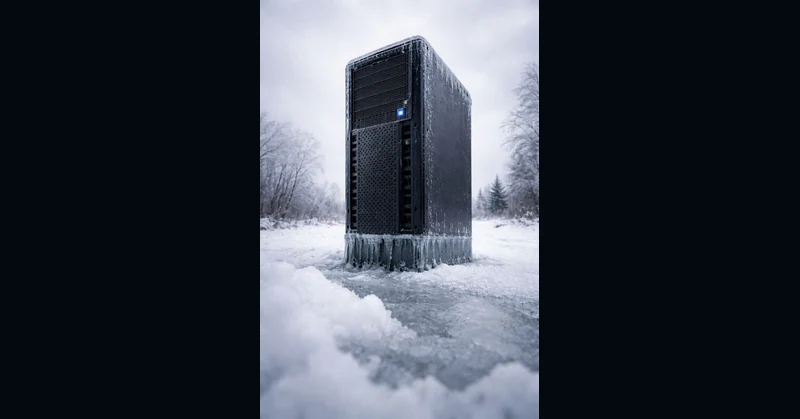
With ice storms and winter weather impacting power and connectivity across large parts of the country, this is a good reminder that business continuity planning is not just a compliance exercise. It is a real world capability that gets tested when conditions are less than ideal.
When power is lost, can your systems and services continue to operate in a degraded but functional state? Do you have clear and accessible procedures for gracefully shutting down core systems if outages extend longer than expected? Just as important, do you have documented steps to safely and correctly bring everything back online once power and network stability return?
Another question worth asking is about access. If your network is down, can your team still access critical account information? Do you maintain offline documentation and printed break glass credentials for essential systems? Or are those procedures locked behind the very systems that are unavailable during an outage?
Events like this are also an opportunity for learning. Are you actively collecting data on what failed, what became inaccessible, and what processes slowed down response time? Are you capturing those lessons while they are fresh so you can improve resiliency before the next weather event, cyber incident, or infrastructure failure?
For IT leaders, this is not about blame. It is about preparation, visibility, and continuous improvement. Weather gives us a safe and natural stress test that highlights gaps without the added pressure of a security incident or regulatory event.
A few questions to spark discussion: How confident are you that your shutdown and recovery procedures would work without internet access?
Do your teams know where to find critical documentation if systems are offline? Are you treating weather related outages as tabletop exercises for future incident response?
What did you learn from this storm that you plan to act on?
Resilience is built between incidents, not during them. Moments like this are a chance to strengthen both technical systems and operational readiness.